Scientifically Proven Ways to Reduce Cholesterol
1. Dietary Changes
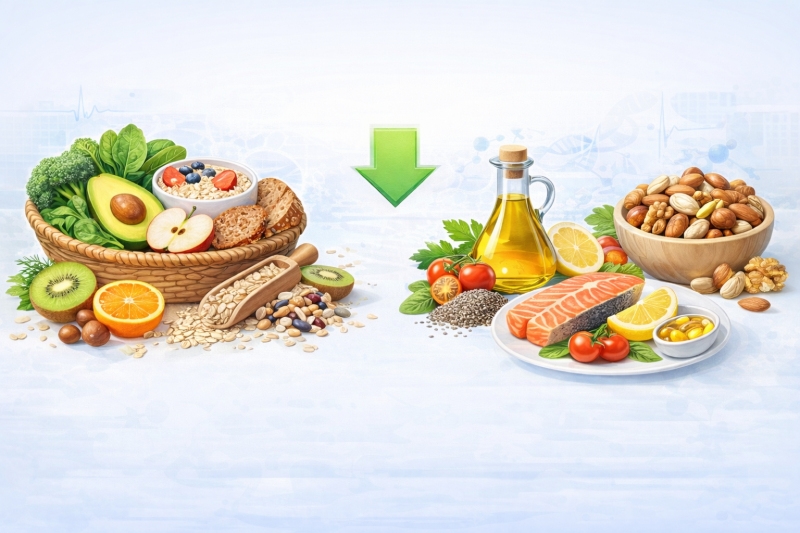
Diet — one of the main factors influencing cholesterol levels. Clinical studies show that adjusting the diet can lower total cholesterol by 10–15% and reduce LDL by decreasing saturated fat intake and increasing fiber.
- Reducing saturated and trans fats: less red meat, high-fat dairy products, and industrial trans fats.
- Increasing soluble fiber: oatmeal, peas, beans — help block cholesterol absorption in the intestines.
- Healthy fats: olive oil, nuts, avocado, and fish high in omega-3 fatty acids help improve the lipid profile.
- Phytosterols and supplements: substances found in plant-based foods that reduce cholesterol absorption.
2. Physical Activity
Regular aerobic and moderate physical activity raises HDL and lowers LDL. International guidelines recommend a minimum of 150 minutes of moderate activity per week.
3. Maintaining a Healthy Weight
Excess body weight worsens the lipid profile. Losing even 5–10% of body weight can lead to a significant reduction in LDL and triglycerides.
4. Quitting Smoking and Moderate Drinking
Smoking lowers the "good" HDL cholesterol, and excessive alcohol consumption worsens lipid metabolism.
5. Medications (when necessary)
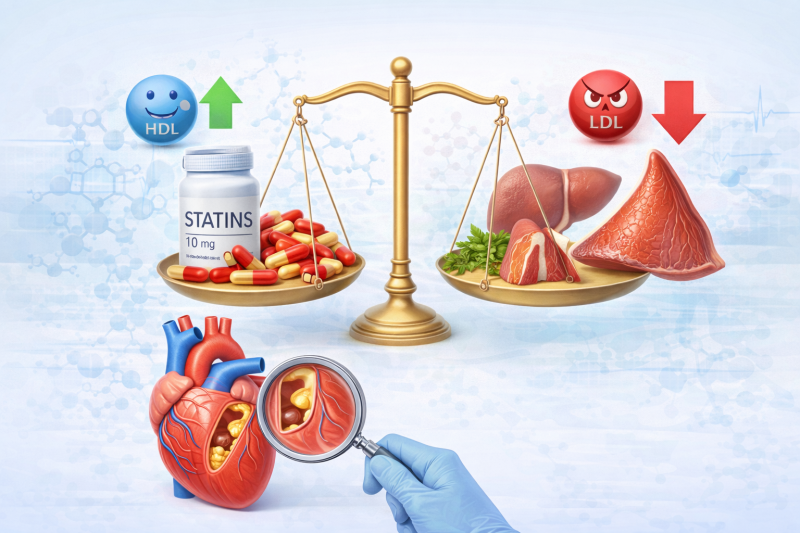
If lifestyle changes are not sufficient, doctors prescribe statins or other lipid-lowering drugs. Meta-analyses show that statins reduce the risk of cardiovascular events by approximately a quarter.
Diet Proven by Research
The Mediterranean diet, rich in fiber, plant-based fats and antioxidants, has strong support in the scientific literature as an effective way to manage blood lipid levels.
Conclusion
Scientific evidence clearly shows that a combination of proper diet, physical activity, and weight control can significantly improve the lipid profile and reduce the risk of cardiovascular complications. If necessary, medication complements lifestyle changes, providing maximum protection.